

In Sweden, municipal energy utility Göteborg Energi AB has announced that it will invest around SEK 500 million (≈ EUR 47.7 million) in a new dedicated wood pellet fired hot water boiler at its Rya HVC district heat facility in Gothenburg. The investment represents a significant step towards the goal of fossil-free district heating by 2025.
Please reload the page
Do you want to read the whole article?
- Six editions per year
- Full access to all digital content
- The E-magazine Bioenergy international
- And more ...
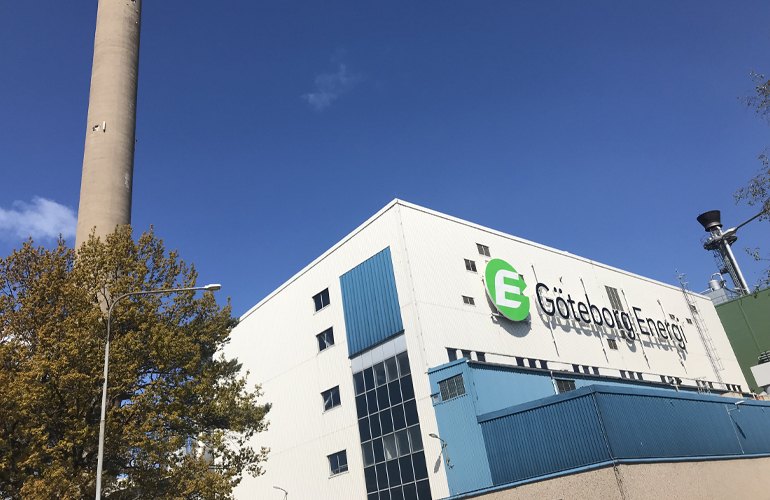
The Rya HVC facility has been in existence since the mid-1980s and has a key role in Gothenburg’s district heating system. The district heating is to a large extent produced using recycled heat from the refineries in the Rya area. Rya HVC is needed, among other things, to raise the heat to the right temperature.
We anticipate that the new boiler will reduce carbon dioxide (CO2) emissions by 25 000 tonnes per year, said Anna Svernlöv, Head of Production Area at Göteborg Energi.
Replace existing boilers
The current two boilers at Rya HVC were originally built for oil and coal, but since 2003 they are fired with wood pellets. The existing boilers have reached the end of their technical life and the replacement is part of the work towards the goal that all district heating must come from recycled or renewable sources by 2025
The new boiler, which is designed for pellets as fuel, will provide better combustion, higher efficiency and generate more heat than today. We also increase the installed power in the plant from today’s 100 MW to 130 MW. As the number of hours of operation with pellets increases, the use of natural gas will decrease, which will reduce carbon dioxide emissions in the order of 25 000 tonnes annually. Another advantage is that the ash from the plant can be returned to the forest, said Anna Svernlöv.
The new boiler is expected to be operational in early 2022 and heat deliveries to clients are not affected by the change.
