

In the United States (US), Calgren Dairy Fuels LLC, and Southern California Gas Co. (SoCalGas), the largest gas distribution utility in the country, have announced that four additional Central Valley dairies in California have started sending methane produced from cow manure to Calgren's biogas operation in Pixley, California where it is processed into high-quality, renewable natural gas (RNG) and injected into SoCalGas' system.
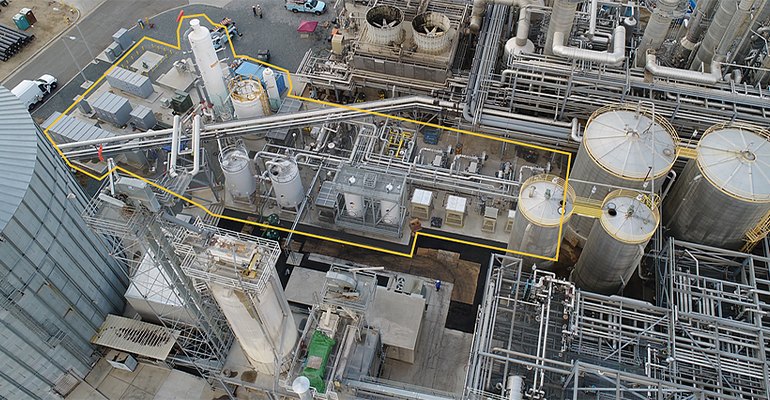
Opened in July 2019, the Calgren Pixley facility now collects methane— a potent greenhouse gas (GHG) that would otherwise escape to the atmosphere and contribute to climate change—from more than 66 000 cows at 10 area dairy farms. The additional dairies are projected to nearly double the amount of renewable natural gas (RNG) produced at the facility, further reducing GHG emissions and displacing conventional natural gas.
Calgren partnered with Maas Energy Works Inc., to develop these four new dairy digesters as well as the previous six dairy digesters that have been operating since 2018.
Over the last five years, renewable natural gas use in the transportation sector has grown by almost 600 percent. We’re looking to build on that success by delivering more renewable energy options to our customers, including renewable natural gas produced at farms, hydrogen made from surplus solar energy, and advanced fuel cell systems that can provide energy in extreme weather events. Each of these technologies will be essential to promoting the long-term reliability of our energy systems and to meeting California’s ambitious climate goals affordably, said Sharon Tomkins, SoCalGas VP, and Chief Environmental Officer.
The RNG produced at Calgren’s facility today is used as a carbon-negative fuel for heavy-duty vehicles like transit buses and long-haul trucks. RNG can also be delivered to customers to generate clean electricity and heat homes and businesses. Last year, SoCalGas committed to delivering 20 percent of the natural gas it buys for homes and businesses from renewable sources by 2030.
Calgren is leading efforts in California on this front, working with both dairies and SoCalGas to mitigate emissions. This facility alone will eventually capture methane produced from the manure of more than 75 000 cows, preventing about 130 000 tons of greenhouse gas emissions from entering the atmosphere each year, the equivalent of taking more than 25 000 passenger cars off the road annually, said Lyle Schlyer, President of Calgren Renewable Fuels.
40 percent methane emission reduction required
More than 80 percent of all methane emissions in California come from organic sources like wastewater treatment plants (WWTPs), landfills, food, and green waste and farms. In California, a 2016 law requires a 40 percent reduction of methane emissions from waste sources such as landfills and dairies, with provisions to deliver that energy to customers.
The law is expected to bolster the supply of RNG that is already growing rapidly as cities and towns across the country look to divert organic waste from landfills. Scientists at the University of California, Davis estimate that the state’s existing waste could produce enough RNG to meet the needs of 2.3 million homes.
Nationally, a recent study by ICF on behalf of the American Gas Foundation estimates that 4 450 trillion Btus of RNG will be available by 2040, about 90 percent of the nation’s current residential natural gas consumption.
RNG is already helping eliminate emissions from trucks and buses. Over the last five years, RNG use as a transportation fuel has increased 577 percent, helping displace over seven million tons of carbon dioxide equivalent (how GHG emissions are measured). That’s equal to the emissions from more than a million homes’ electricity use for one year.
According to SoCalGas, research shows that replacing about 20 percent of California’s traditional natural gas supply with RNG would lower emissions equal to retrofitting every building in the state to run on electric-only energy and at a fraction of the cost.
Using RNG in buildings can be two to three times less expensive than any all-electric strategy and does not require families or businesses to purchase new appliances or take on costly construction projects. To kickstart the plan, SoCalGas is pursuing regulatory authority to implement a broad renewable natural gas procurement program with a goal of replacing five percent of its natural gas supply with RNG by 2022.
SoCalGas also recently filed a request with the CPUC to allow customers to purchase renewable natural gas for their homes.
