

In Brazil, global zinc mining and smelting major Nexa Resources S.A. has announced that it has entered an agreement to acquire 10,000 tonnes of bio-oil from compatriot Aperam BioEnergia, a subsidiary of Luxembourg-headed iron and steel major to gradually replace the use of fossil fuels in the production of zinc oxide at the Três Marias metallurgical unit in the State of Minas Gerais (MG).
One of the largest producers of charcoal in the world, Aperam BioEnergia is the renewable energy production unit of Aperam South America, the first steelmaker in its segment to achieve a neutral balance between carbon emissions and removals in its operations, in Scopes 1 and 2.
Located in the Jequitinhonha Valley, Minas Gerais (MG), Aperam BioEnergia produces and sells charcoal, genetic technology, industrial technology, seedlings, and seeds, from renewable eucalyptus forests.
The company is also the first in Latin America to market carbon removal credits from the production and application of biochar in its forests.
Co-product of charcoal production
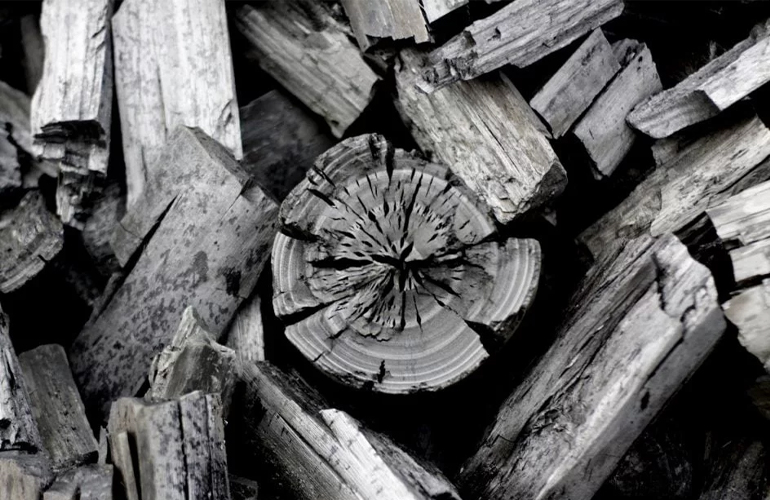
Recovered and processed as a co-product from the production of charcoal from Aperam BioEnergia’s renewable forests in the Jequitinhonha Valley, the biofuel will be used by Nexa in 12 zinc oxide production furnaces later this year.
Of biogenic origin, 100 percent renewable, and with low sulfur content, the bio-oil has been tested since 2017 and is seen by the companies as a sustainable solution that contributes to the energy transition and industrial decarbonization.
It has been used in and adopted for different applications and is now capable of replacing the use of fossil oils in industrial processes, such as 1A, BTE, among others.
The production of charcoal generates a co-product, bio-oil, which is recovered and processed from a series of adaptations focusing on innovation that Aperam South America has developed and implemented in its processes. Aperam BioEnergia was able to enable the production of a sustainable product that will contribute to the decarbonization of several industries. The great innovations are the result of several other changes that are taking place and, in the end, make it possible to break old processes, said Benone Braga, Executive Manager of Aperam BioEnergia.
According to Paulo Nogueira, General Manager of Nexa’s Três Marias Metallurgical Unit, the next step in the partnership is the gradual application of biofuel in the 47 furnaces of the Três Marias unit.
Today, Nexa is already the zinc producer with the lowest carbon footprint worldwide. The use of bio-oil in our operations will intensify the achievement of our decarbonization goals by 2030, which foresees a reduction in direct emissions (Scope 1) by 20 percent, which means a total reduction of 52,000 tonnes of carbon, in addition to maintaining the high share of renewable sources in its electricity matrix, Paulo Nogueira said.
Benone Braga also praised the partnership with Nexa, saying that the contract validates the large-scale adoption of the sustainable bio-oil produced at Aperam BioEnergia, commercially and environmentally.
We already have other contracts with other companies, and we are negotiating with other major Brazilian players. This gives us the certainty that we are on the right track, offering the market a 100 percent national product with great added value, Benone Braga said.
